35,000 Tonnes per Day Open Channel UV Wastewater Project in China
Published 16 October 2026 · Customer identity withheld
KONCHE supplied two open-channel UV disinfection equipment sets for a wastewater project in China with a total treatment capacity of 35,000 tonnes per day. Each set was specified for 35,000 tonnes per day, with 56 lamps and a rated equipment power of 17.92 kW. The project passed acceptance, met its agreed requirements and entered operation. For wastewater plant owners and EPC contractors, this installation illustrates how lamp configuration, channel space and electrical equipment come together in a large-flow UV project.
Project Scope and Equipment Configuration
The project required UV disinfection equipment for a wastewater treatment channel. KONCHE supplied two sets under the same equipment specification, including the lamp assemblies, mounting components, quartz sleeves, electronic ballasts and control enclosures.
The supply scope covers two complete equipment sets. Both the total project capacity and the specified capacity of each set are 35,000 tonnes per day.
| Project item | Supplied specification |
|---|---|
| Application | Wastewater UV disinfection in China |
| Total project treatment capacity | 35,000 tonnes per day |
| Specified capacity of each equipment set | 35,000 tonnes per day |
| Equipment quantity | Two sets |
| Equipment model | KCW-17.92KW/320W |
| Specified power per set | 17.92 kW |
| UV lamps per set | 56 LIGHTSOURCE lamps, 320 W each |
| Mounting arrangement per set | Seven groups, with eight lamps per group |
| Mounting support material | 316 stainless steel |
| Quartz sleeves and electronic ballasts | 56 of each per set |
| Equipment dimensions | 2.2 × 0.7 × 1.25 m |
| Required channel dimensions | 4.8 × 0.8 × 1.6 m |
| Specified electrical supply | 220 V, 50 Hz |
| Project status | Accepted, compliant with agreed requirements and operating |
The specified power describes the equipment configuration, not measured electricity consumption during plant operation. Operating schedules and the way the two sets are used must be considered separately when assessing energy demand.
How Was the UV Equipment Arranged for This Wastewater Channel?
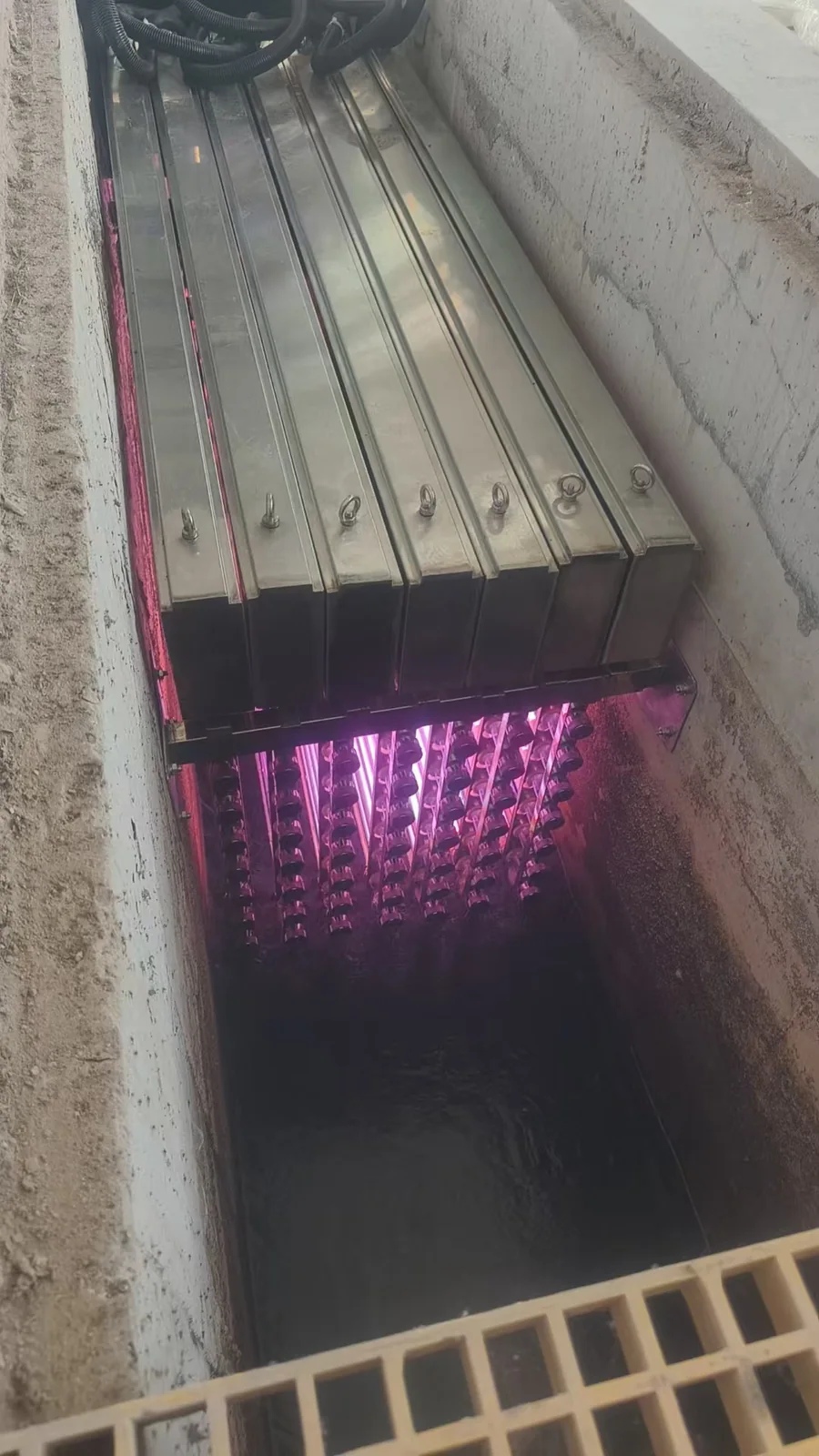
Each equipment set uses 56 lamps arranged in seven groups of eight. The supply includes 316 stainless steel mounting supports and a module mounting base, with a quartz sleeve and an electronic ballast for each lamp. This makes the individual components and quantities clear for installation planning and spare-parts preparation.
The equipment dimensions and required channel dimensions describe different interfaces. The equipment occupies a specified envelope of 2.2 × 0.7 × 1.25 m, while the contract calls for a channel measuring 4.8 × 0.8 × 1.6 m. An equipment quotation therefore needs to be checked against the available civil space rather than treated as a lamp-count calculation alone.
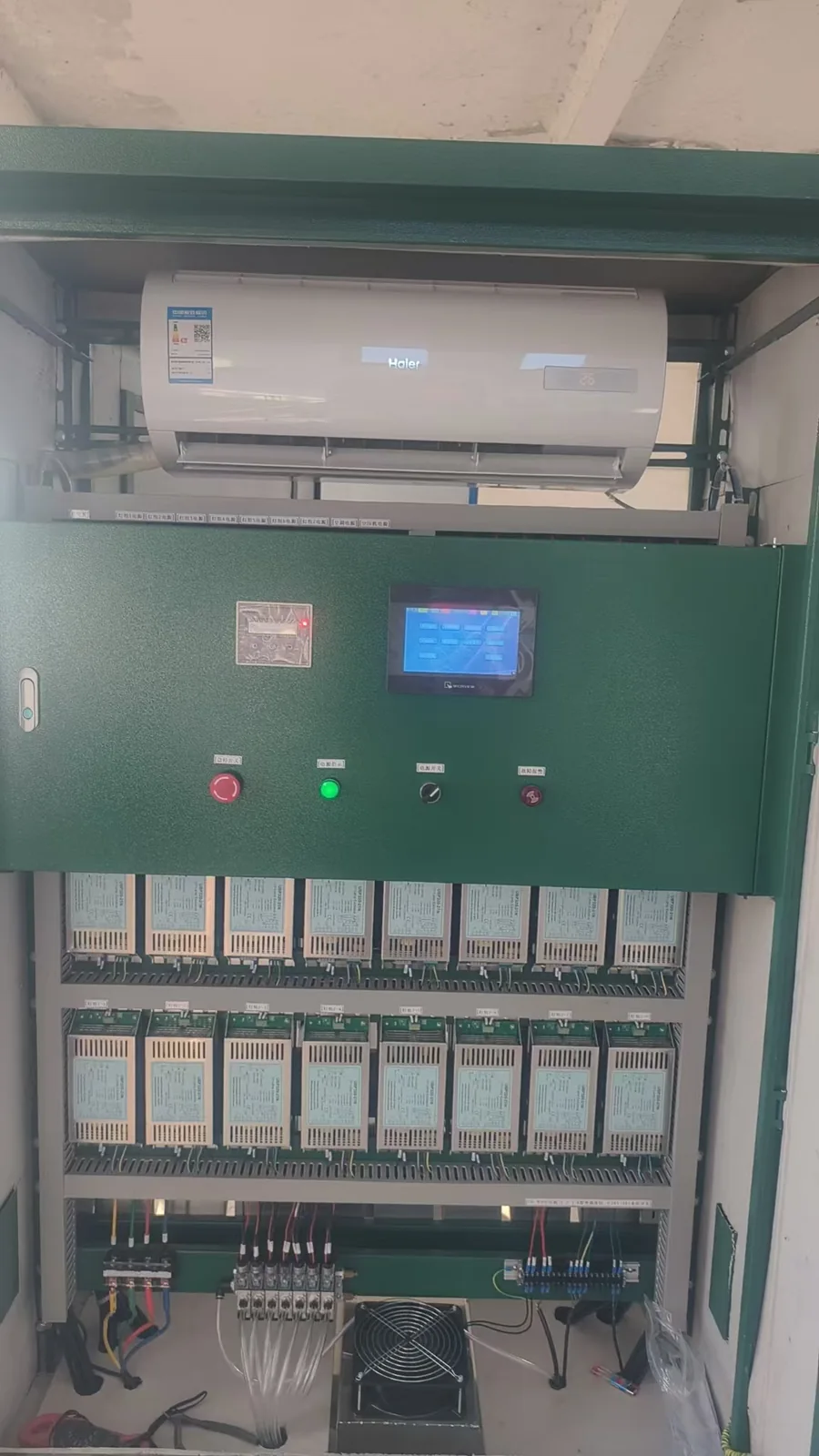
Actual project photographs show the channel installation, lamp modules and adjacent control equipment. They also show the internal ballast arrangement, giving prospective buyers a practical view of the equipment supplied. The KCW open-channel UV equipment page provides the related product overview.
Disinfection Requirements and Project Acceptance
The project contract referenced the Class I A requirements of China's GB 18918-2002 wastewater discharge standard, including a fecal coliform limit of 1,000 organisms per litre. It also required the other relevant physical and chemical water-quality indicators entering the UV equipment to meet the agreed conditions.
The installation passed acceptance, met its agreed requirements and is in operation. UV provides the disinfection step, with upstream treatment addressing the other required water-quality indicators. For an overseas project, the receiving authority's requirements should define the disinfection target and acceptance criteria.
Lamp Assemblies and Electrical Equipment
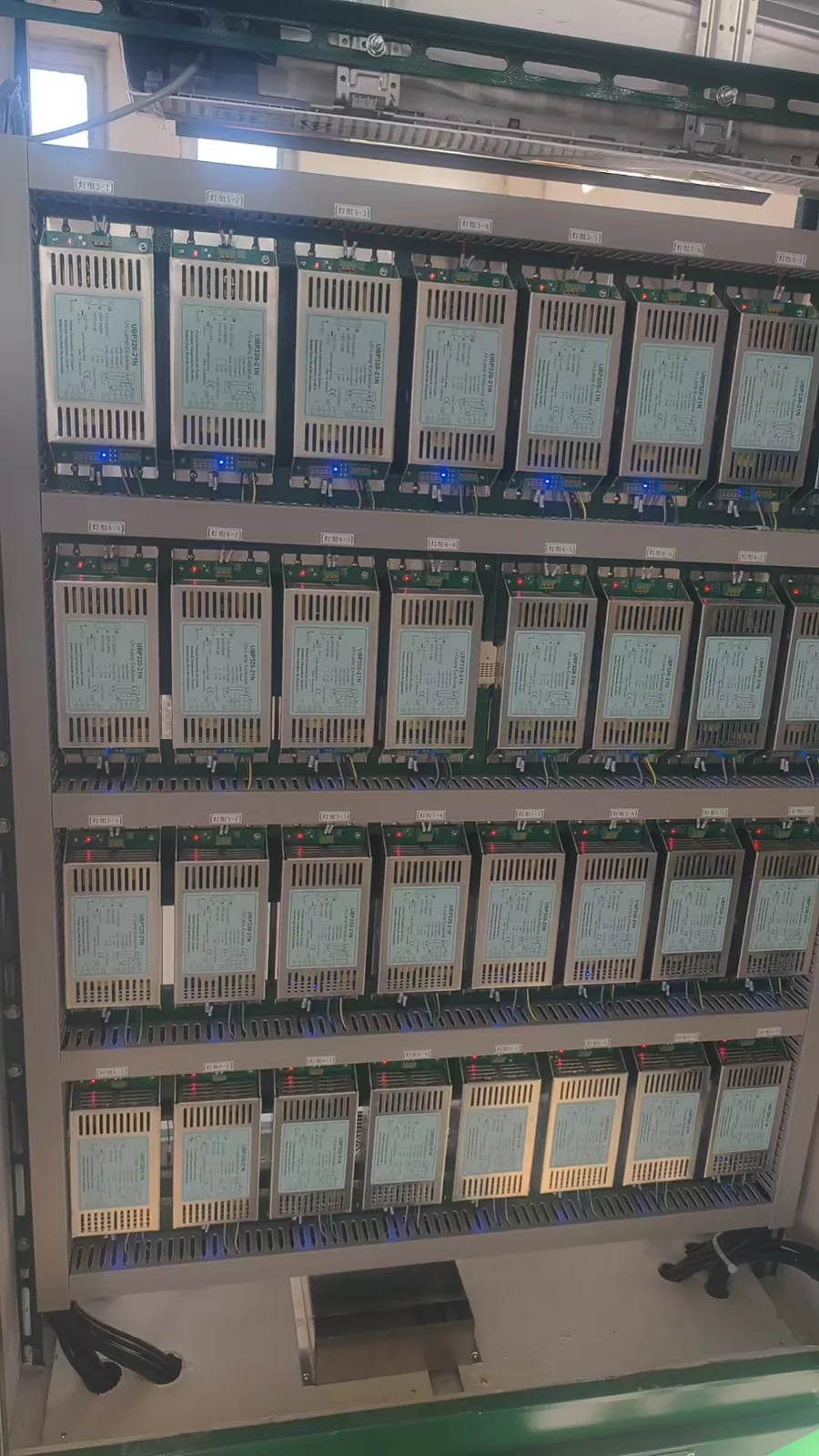
The project specification calls for LIGHTSOURCE UV lamps with a specified service life of 12,000 hours. That figure belongs to the lamp specification used for this installation. The electrical package includes 56 electronic ballasts per set, specified with a power factor of 0.98, together with the ballast control enclosure and interconnecting cables.
Matching the lamp, ballast and quartz sleeve specifications matters when preparing replacement parts. Plant operators can use KONCHE's UV disinfection consumables information to start that discussion, while retaining the installed equipment's exact component identification.
What Should an EPC Contractor Provide for a Similar UV Proposal?
A useful starting package includes the required average and peak flow, treated-water quality, discharge or reuse target, channel drawing, available electrical supply and the intended operating arrangement. If more than one set is needed, the contractor should also state how the sets will be used.
These inputs allow the discussion to move beyond a capacity label toward equipment configuration and installation interfaces. KONCHE's UV system sizing guide explains the broader selection process.
Frequently Asked Questions
What Is the Treatment Capacity of This Project?
The total project capacity is 35,000 tonnes per day. Two equipment sets were supplied, each specified for that capacity.
How Many UV Lamps Are Included in Each Set?
Each set contains 56 lamps rated at 320 W, arranged in seven groups of eight. The specified equipment power is 17.92 kW per set.
Can the Same Equipment Be Quoted from Daily Flow Alone?
Daily flow is a starting point. A proposal should also address peak flow, treated-water quality, the required disinfection target, channel conditions and the operating arrangement.
Has This Installation Entered Operation?
Yes. The project passed acceptance, met its agreed requirements and has been put into operation.
Request a UV Equipment Proposal for Your Wastewater Project
Send KONCHE your flow requirements, treated-water analysis, disinfection target and channel drawing. We can discuss a relevant open-channel equipment configuration, installation space and supply scope. Request a technical proposal for your wastewater UV project.