1-year whole-machine warranty from commissioning. Exclusions: membranes, UV lamps, filter cartridges and other consumables. First-tier brand membranes and components (e.g., Dow, Hydranautics) and control configuration are selected for your feed-water scenario and quality targets.
KONCHEINDUSTRIAL WATER TREATMENT SYSTEMSMODEL KONCHE UV · UV WATER DISINFECTIONCHEMICAL-FREENO RESIDUALLP + MP RANGEENGINEERED BY KONCHE · 2026
UV FAMILY
The KONCHE UV family covers seven product forms, from small storage tanks to plant-scale open channels. Each series is configured to the verified water quality, flow and installation space; values are reference ranges for the stated conditions.
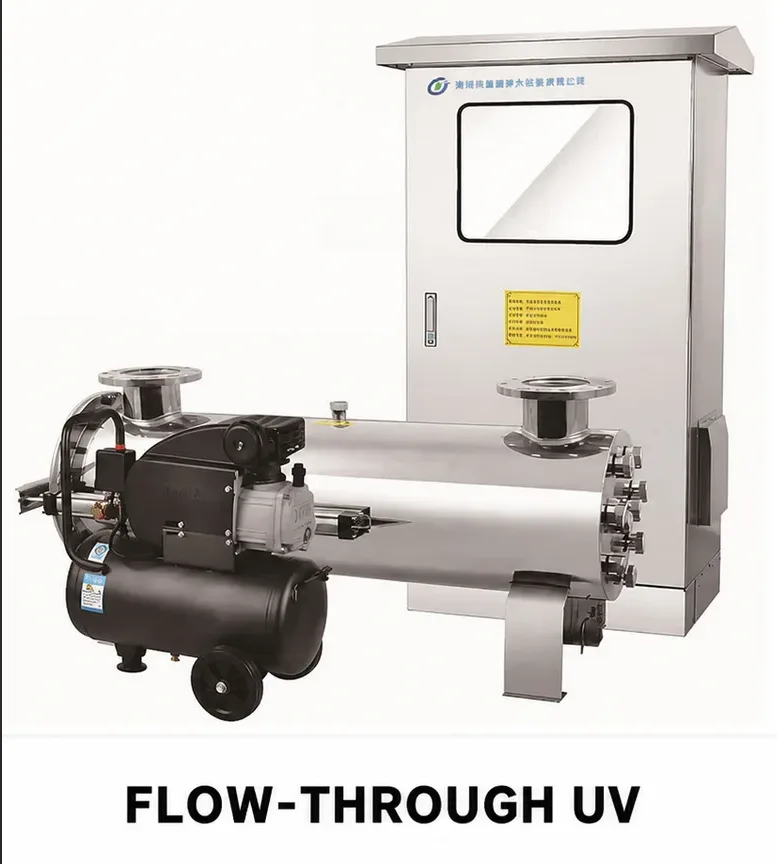
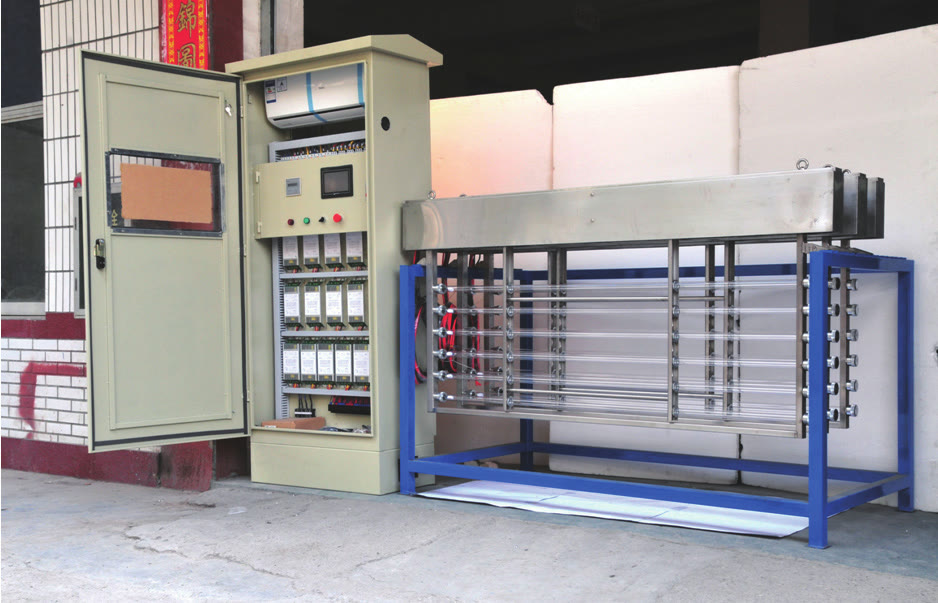
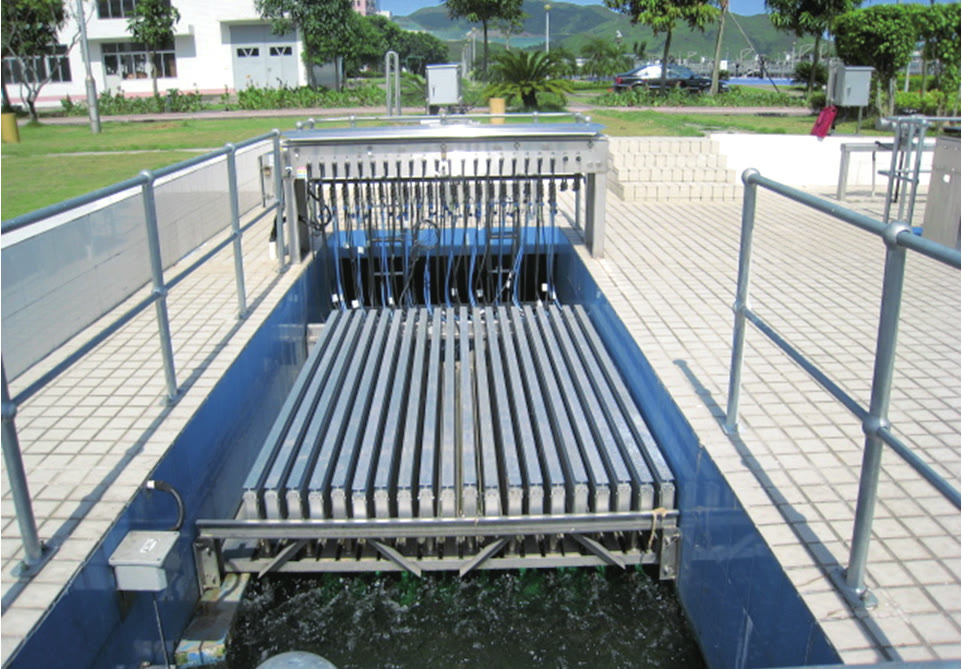
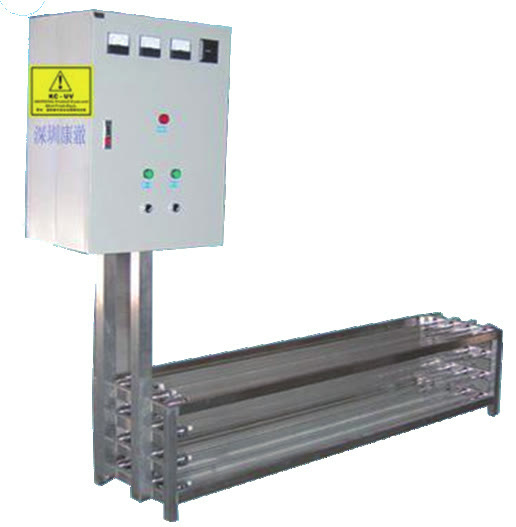
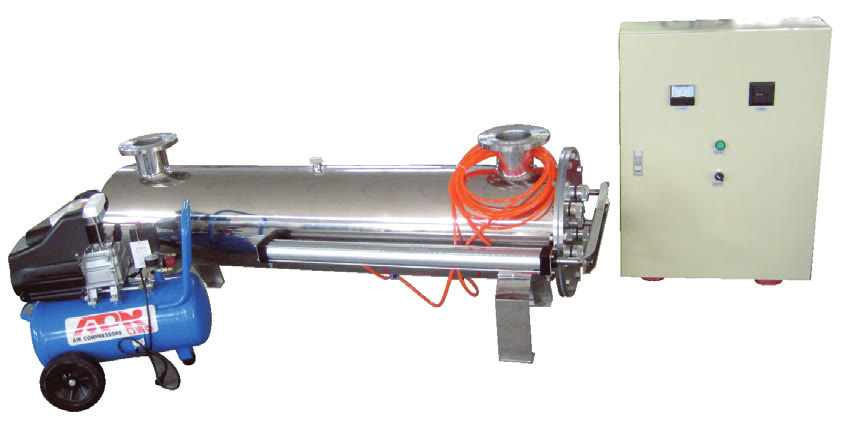
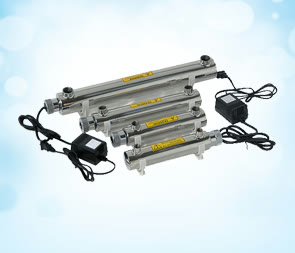
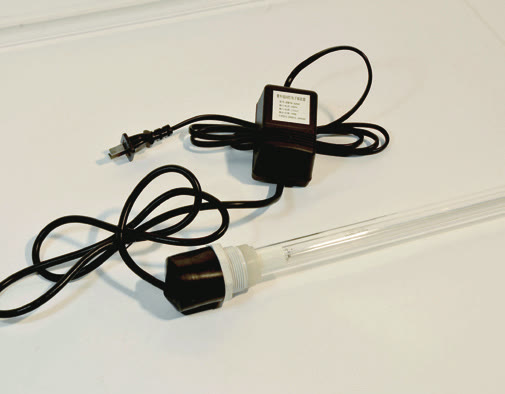
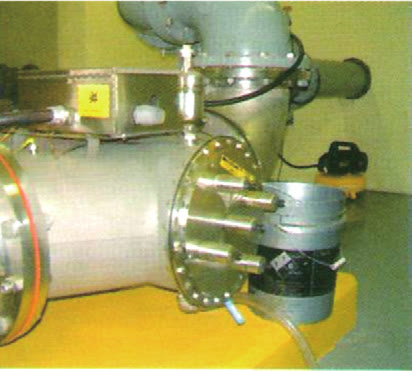
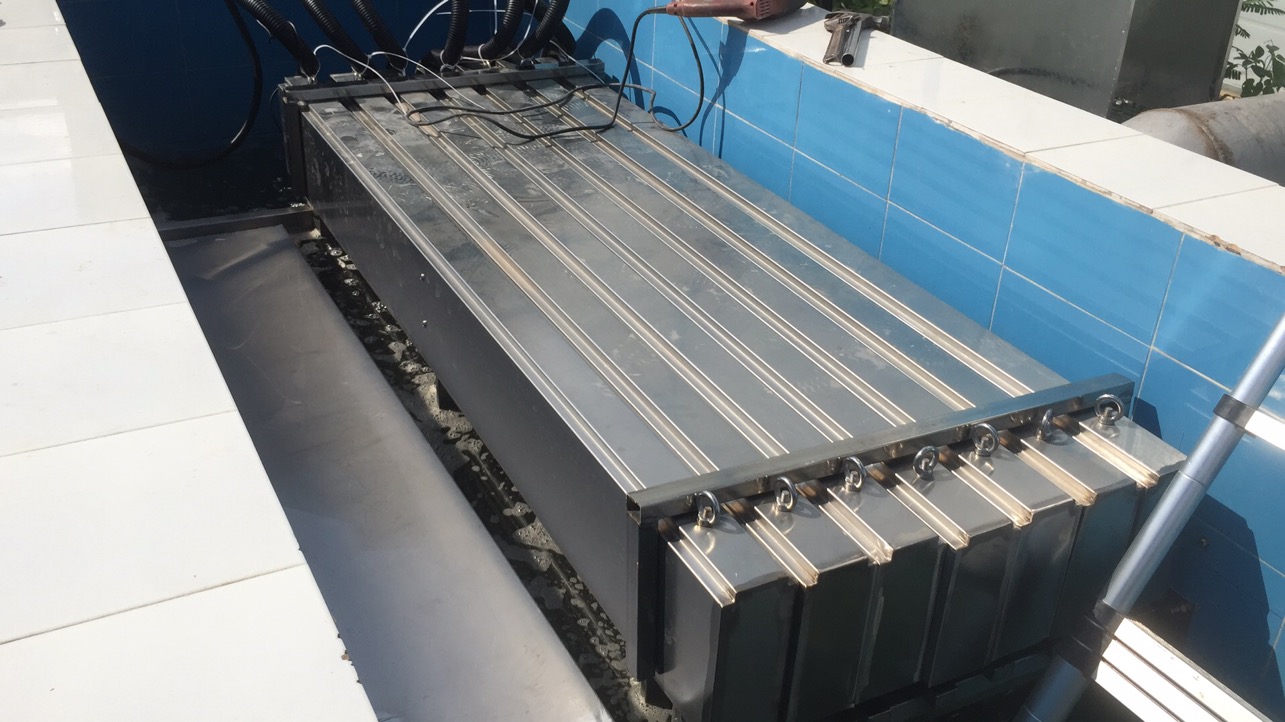
KCW/H Open-Channel UVStandard 316L modules for large municipal flows — sealed lamps and cables, automatic wiping, per-lamp PLC, separate ballast cabinet. From 2,000 m³/d class. Municipal & industrial wastewater, hospital effluent, storm water.View KCW/H details →KCW/V Open-Channel UVVertical-insert amalgam lamps in modular frames, perpendicular to the flow; per-lamp PLC monitoring, manual or automatic wiping; maintenance without lifting the module. From 500 m³/d class. Municipal & industrial wastewater, storm water, reclaimed water.View KCW/V details →KCW/S Open-Channel UVOpen-channel gravity-flow modules of 4–6 low-pressure high-intensity lamps with UV intensity monitoring; up to 3,000 m³/d class. Small sewage plants, landscape water, aquaculture, hospital wastewater, reclaimed water.View KCW/S details →KCF Closed-Vessel UV254 nm in-line reactors in polished 304/316L — threaded monolithic, flanged split, auto-wiping and sight-glass forms; UV intensity monitoring optional. 2–600 m³/h. Municipal supply, food & beverage, electronics & pharma process water, pools, marine.View KCF details →KCS Compact In-Line UVSmall threaded units, low power draw; about 10 s contact at rated dose with over 99% E. coli inactivation. 0.2–2.3 m³/h. Small pure-water plants, mineral-water lines, RO machine outlets, laboratories.View KCS details →KCJ Submersible In-Tank UVSealed lamp-and-sleeve assembly works inside the vessel against both water and tank headspace, preventing secondary contamination; sized to tank geometry. 0.23–4.6 m³/h. High-level tanks, storage-tank outlets, booster-pump inlets, secondary supply.View KCJ details →UV Photocatalytic TiO₂ SterilizerMedium-pressure UV with a TiO₂ photocatalytic baffled chamber generates hydroxyl radicals that crack refractory organics into small molecules or CO₂ and H₂O; 1–30 kW class, automatic wiping, engineered to order. Metallurgy, chemical, papermaking, pharmaceutical and dyeing effluents; landfill leachate; odor and color removal.View TiO₂ sterilizer details →
UV SERIES MAP
The KONCHE UV family covers four reactor architectures plus paired ozone disinfection. Choose the series by flow class and duty; every value below is a reference range for the stated conditions, not a project guarantee.
Series
Flow class
Best duty
Details
Low-pressure closed-vessel UV
0.2–600 m³/h
Routine chemical-free disinfection of process, drinking and reuse water
The right UV water sterilizer is selected according to flow rate, UV transmittance, target disinfection requirement, installation environment and process position.
01
What it is
A water-treatment UV system physically inactivates bacteria and viruses without adding disinfecting chemicals.
02
How it is used
Installed near the end of the treatment line, water flows through a UV chamber. Quartz sleeves are cleaned and lamps replaced on schedule.
03
Where it fits
Municipal supply, industrial process water, pure and ultrapure loops, desalination, reuse, recirculating systems and drinking-water polishing.
04
Effectiveness
Suitable designs can achieve up to 99.99% microbial inactivation. UV does not remove salts, metals or colloids, and high turbidity can reduce performance.
05
Energy consumption
Energy is mainly consumed by the UV lamps. Required power depends on flow, UV transmittance, target dose and lamp technology.
06
Cost
Operating costs include electricity, sleeve cleaning and lamp replacement, typically after 8,000–10,000 operating hours (low-pressure lamps) or 5,000–8,000 hours (medium-pressure lamps).
Industrial UV disinfection is a chemical-free family covering the four series KONCHE builds: 254 nm low-pressure sterilizers for everyday flows, 185+254 nm TOC-degradation units for ultrapure water, 200–400 nm medium-pressure systems for large flows and resistant organisms, and ozone generators for loop-wide deep disinfection. All series deliver up to 99.99% inactivation in suitable conditions with no chemical residues, no THMs and no disinfection by-products. UV lamp powers span 10–320 W per lamp across the range, with ozone outputs of 1–200 g/h; treatment flows run 0.2–600 m³/h; lamp life is typically 8,000–10,000 operating hours for low-pressure lamps and 5,000–8,000 hours for medium-pressure lamps; chambers are 316L stainless with IP65/IP67 protection. Systems install in-line on new or existing piping within a day and pair naturally — UV for continuous duty, ozone for periodic deep disinfection — so drinking-water, purified-water, reuse, pool and food lines can all replace chlorination without by-products. KONCHE has matched these series across 28 years of projects, with genuine lamps and consumables supplied from stock.
01
LOW-PRESSURE UV
Efficient disinfection for everyday flows.
Low-pressure UV water sterilizers are suitable for efficient and stable disinfection in drinking water, purified water and many process-water applications.
02
MEDIUM-PRESSURE UV
High-intensity output for demanding duty.
Medium-pressure UV water sterilizers provide high-intensity output for higher-flow or more demanding applications, including wastewater disinfection and larger water treatment projects.
03
SELECTION FACTORS
Specified around the process.
Selection follows flow rate, UV transmittance, target disinfection requirement, installation environment and process position.
04
APPLICATIONS
Protection across industries.
Drinking water, food and beverage water treatment, industrial process water, wastewater treatment effluent, reclaimed-water reuse and aquaculture-related applications.
MAIN COMPONENTS
304/316L stainless control cabinet
Stainless enclosure for hygienic rooms and corrosive environments.
Carbon-steel control cabinet
Cost-efficient painted enclosure for general plant rooms.
UV intensity monitor
Online dose monitoring with alarm thresholds.
PLC smart control
PLC-based automatic operation and status indication.
Stainless-steel reactor chamber
Polished 304/316L chamber designed for full lamp exposure.
Automatic wiping system
In-line quartz wiping keeps UV output stable between shutdowns.
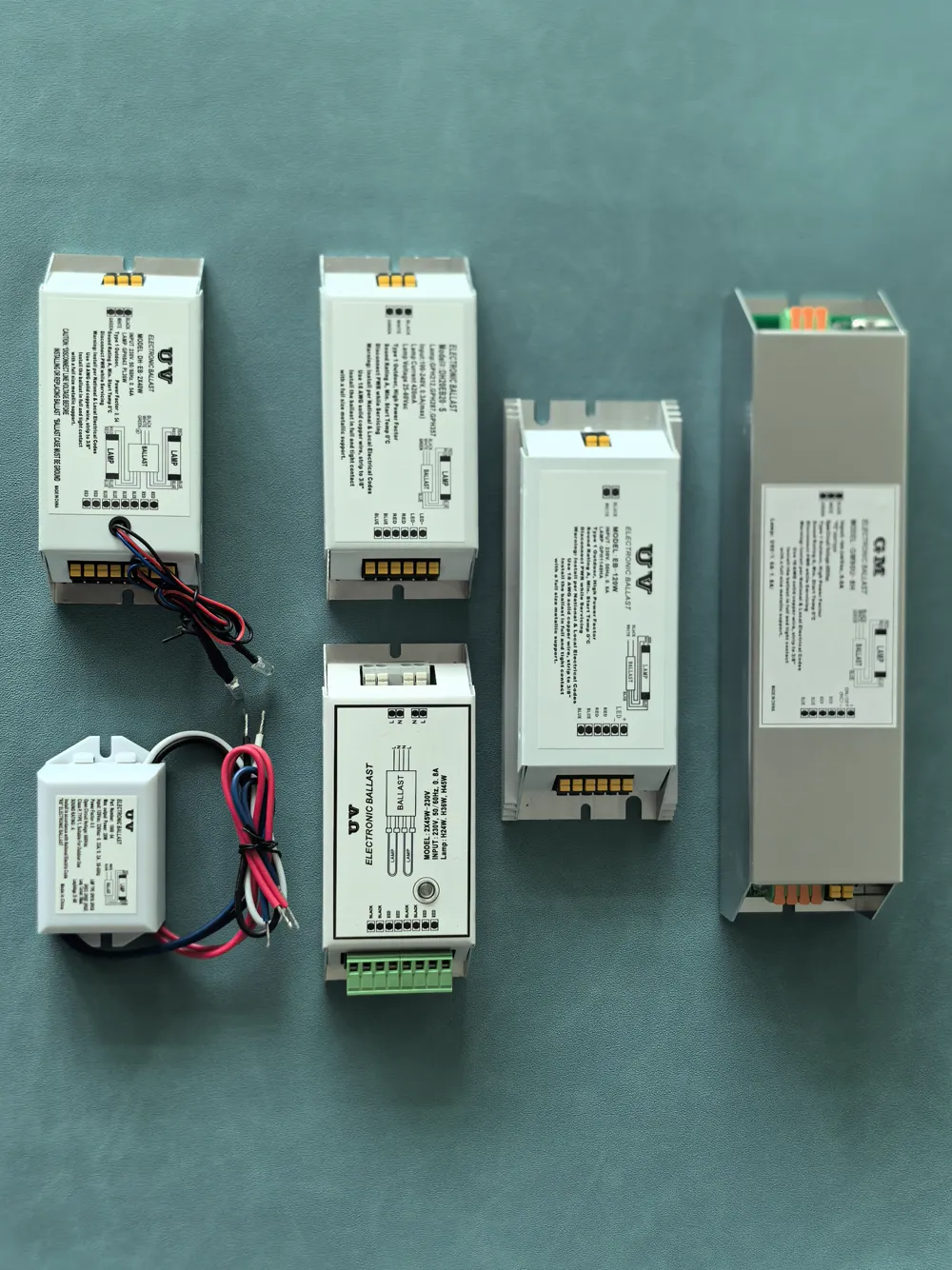
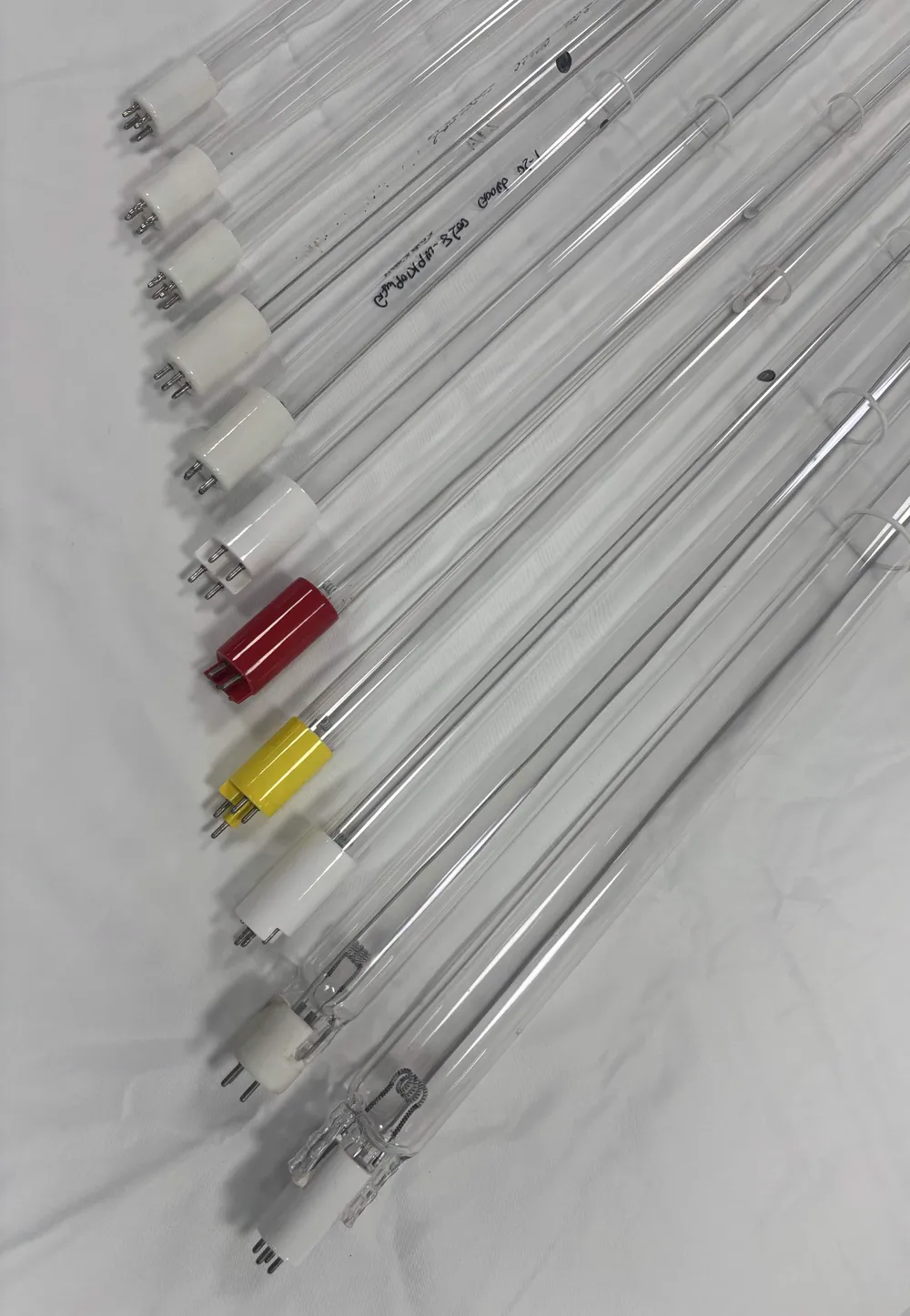
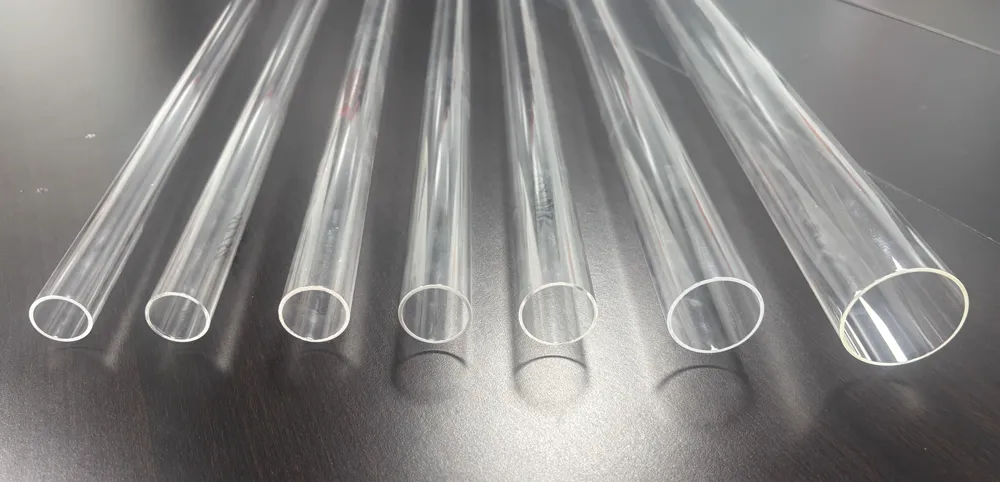
Partial specification sheet — the full data set is supplied with quotations. Base configuration: high-output UV lamps, high-transmission quartz sleeves and stable electronic ballasts; UV intensity monitoring, automatic wiping and PLC control are configured per duty. Ratings reference clean water at the stated conditions.
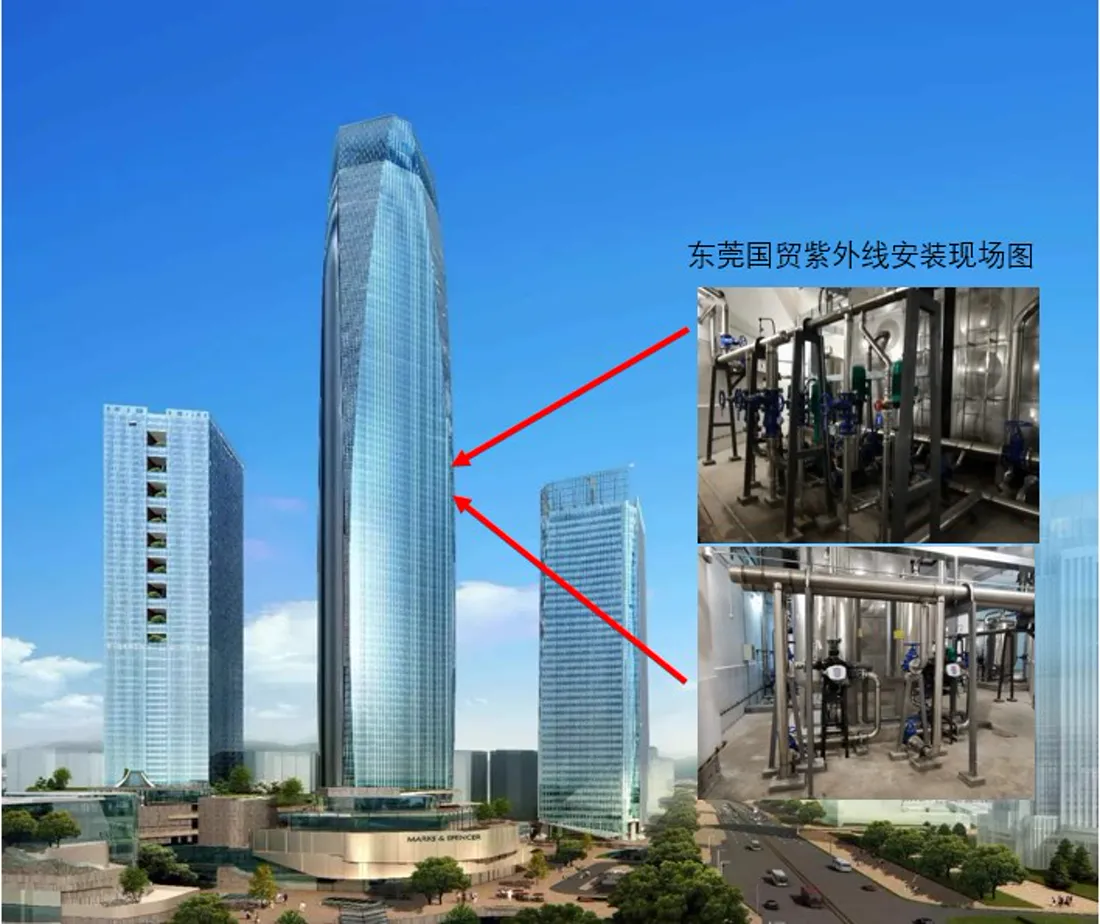
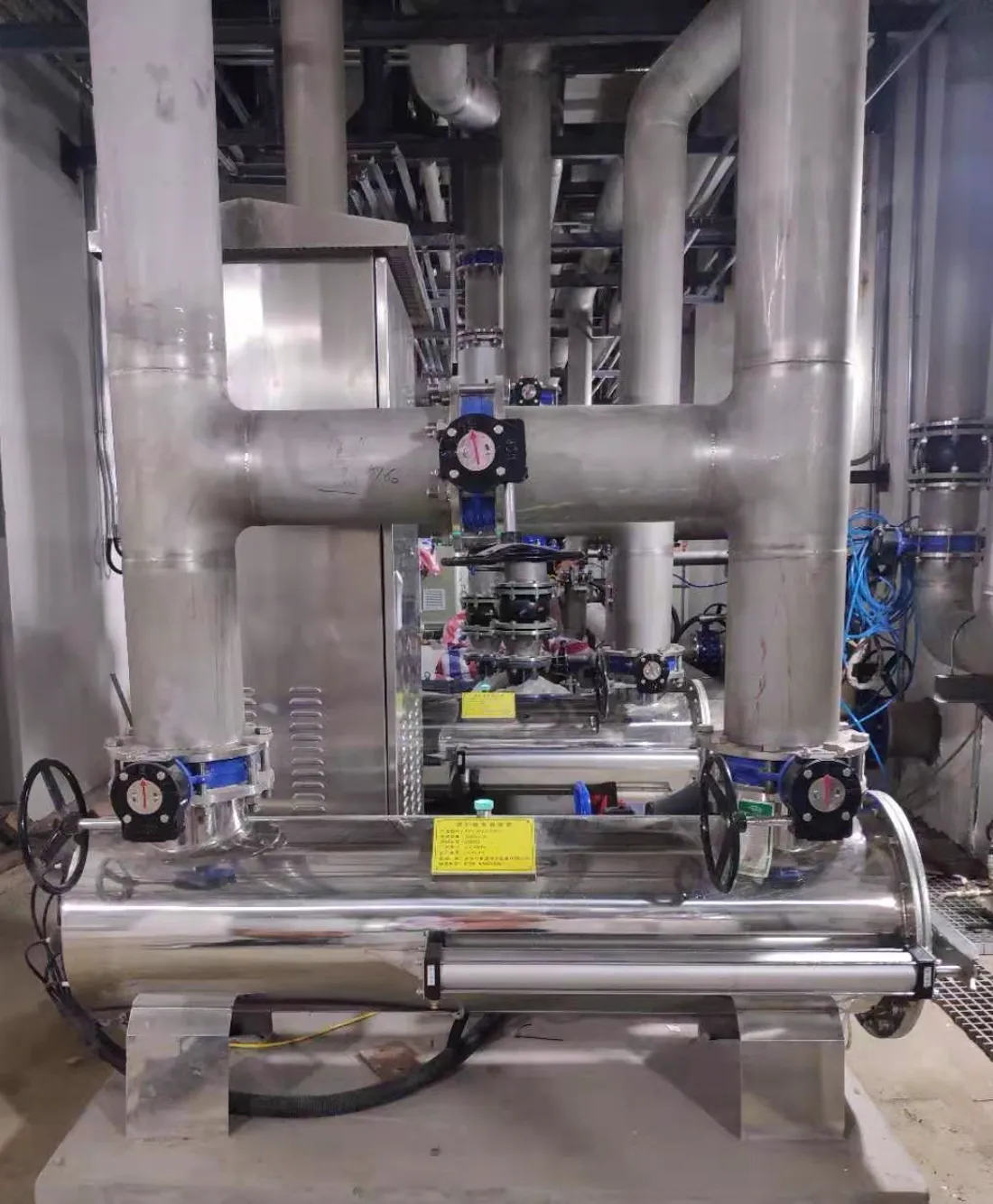
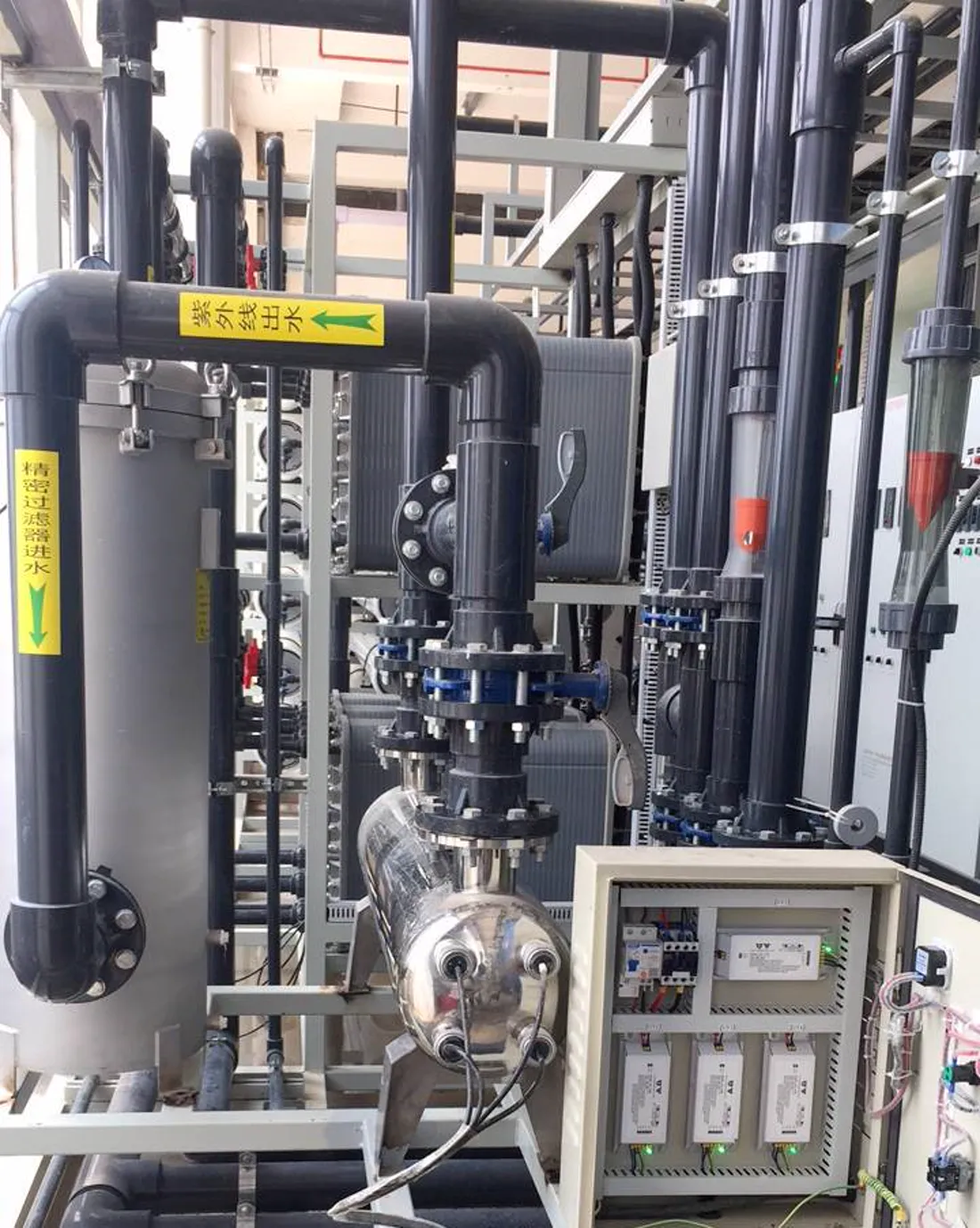
Municipal wastewater · South China Open-channel UV for two 5,000 + 15,000 m³/d plants, with international EPC adaptation guidance.Dongguan International Trade Center UV disinfection for the complex's direct drinking-water system.Municipal drinking-water plant Large-diameter KCF reactors for city-scale disinfection.Large-flow installation On-site installation of parallel UV disinfection trains.Dongguan International Trade Center — installation UV vessels and control cabinets on site.
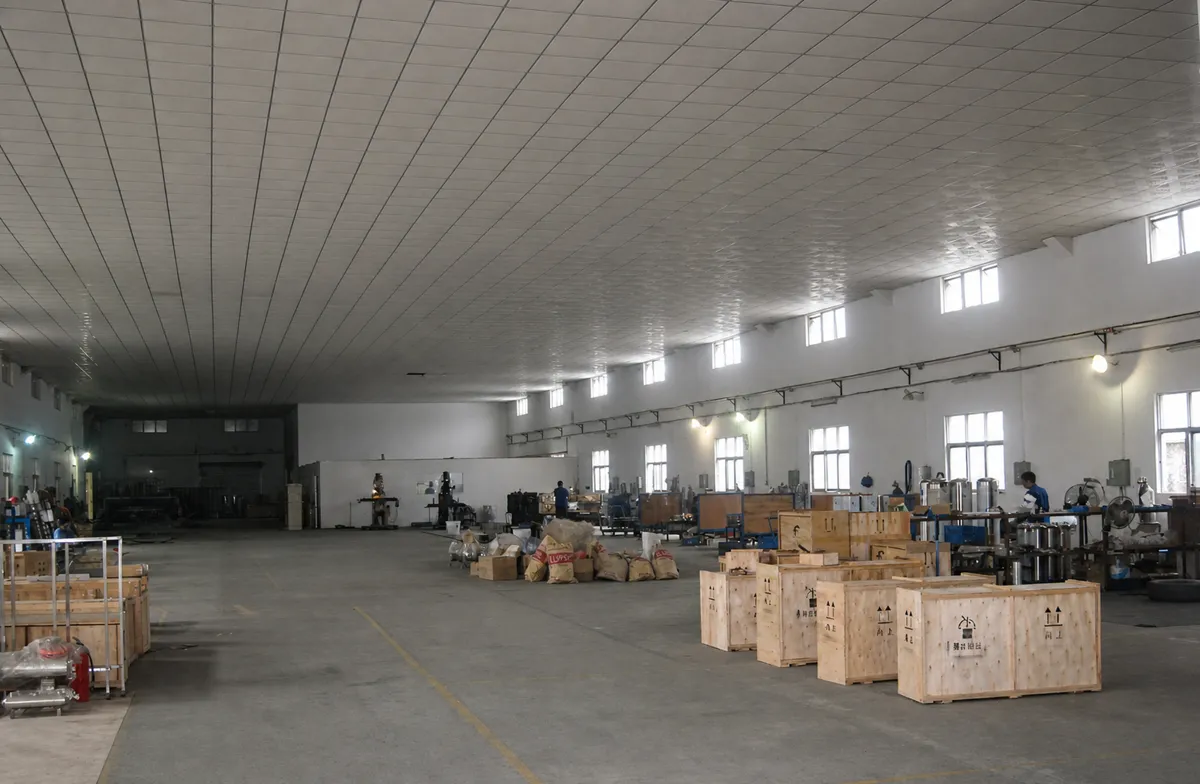
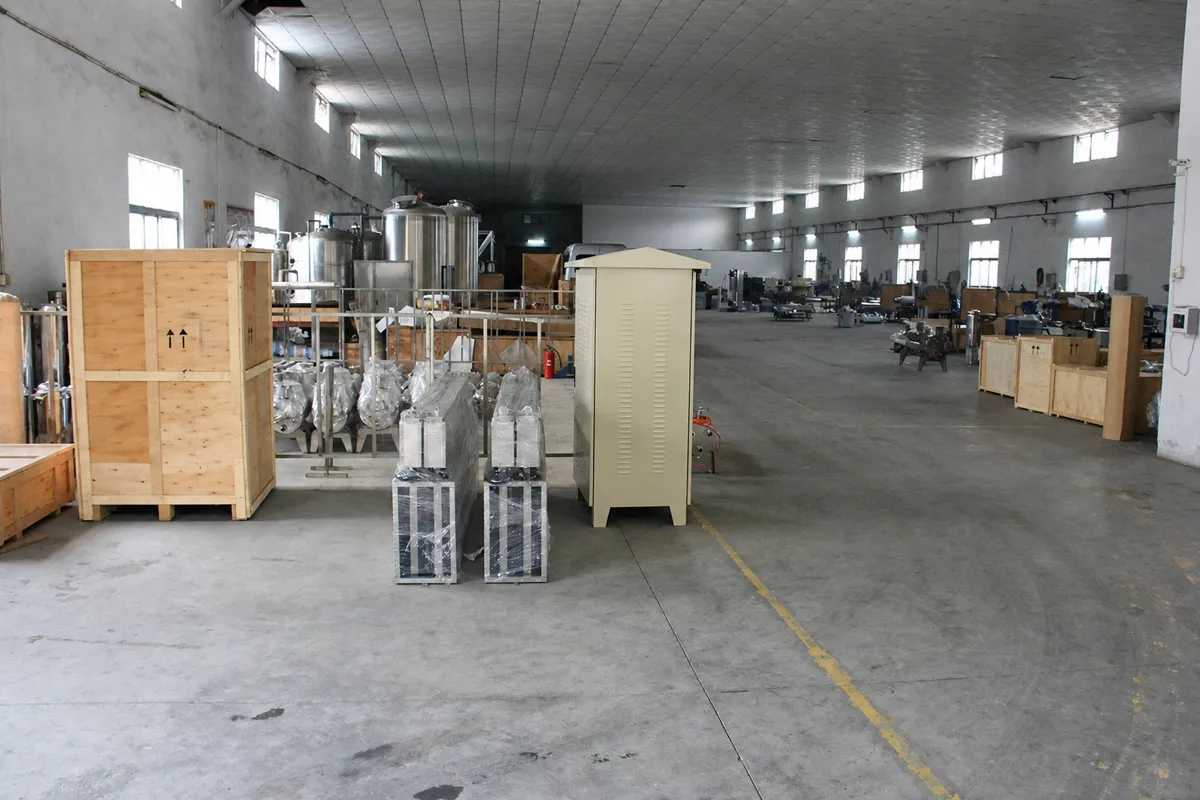
FACTORY SHOW
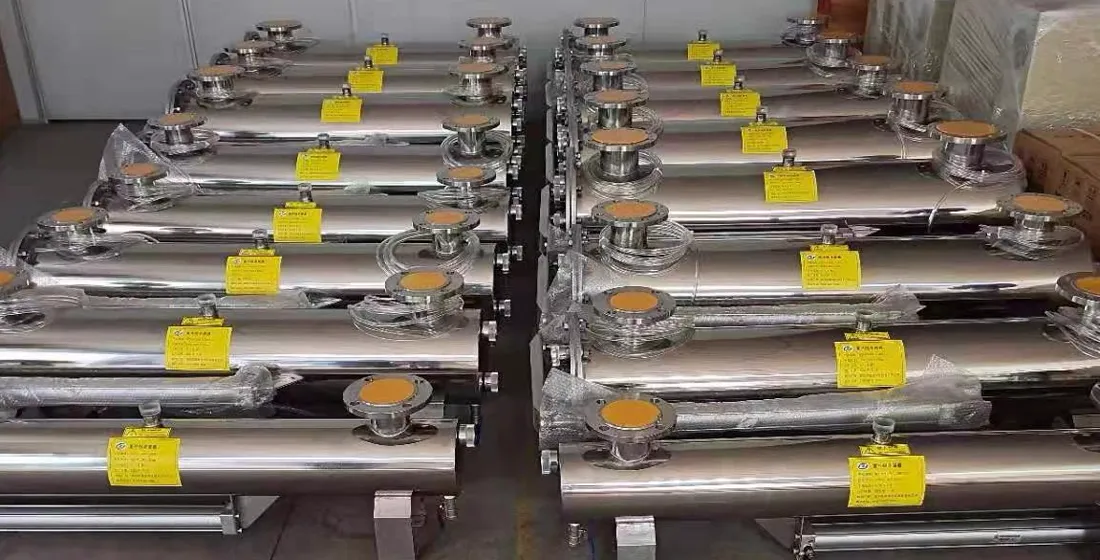
UV lamps, ballasts, reactor chambers and complete KONCHE water-treatment systems are assembled in our own workshops.
TECHNOLOGY COMPARISON
Which disinfection technology fits?
Same-caliber comparison of the four disinfection approaches in this category. Every value is a reference range documented on the linked product page and applies to the stated conditions, not a project guarantee.
Up to 99.99% microbial inactivation in suitable conditions
Large-flow disinfection
TOC toward 0.5 μg/L
Sterilization, COD reduction, decolorization, odor control
Best duty
Routine disinfection of process and drinking water
Large flows or challenging water
TOC control in ultrapure-water loops
Oxidation duties and pure-water storage disinfection
Limitations to plan for
No chemical residual; lamp count grows with flow
Higher power draw; more complex lamp handling
Ultrapure-water applications only
Contact time and tail-gas destruction required; material compatibility checks
Decision guidance: For routine disinfection at everyday flows, low-pressure UV is the economical choice. Medium-pressure UV covers large flows and challenging water with fewer lamps. TOC UV belongs inside ultrapure-water loops where trace organics matter, and ozone handles oxidation duties such as COD reduction, decolorization and odor control. KONCHE confirms the technology against flow, transmittance and the target standard during proposal review.
Reference values verified against the linked product pages · Updated 15 August 2026
PROJECT INQUIRY
Tell us about your water.
Send your flow rate and water-quality information to KONCHE for industrial UV water sterilizer selection.